Pichavaram, 23 December 2024. Same day as Chidambaram. Temple in the morning, boat after. 
Pichavaram is one of India’s largest mangrove forests. Often called second after the Sundarbans, from what I’ve read. It’s only about 15 km from Chidambaram, in Cuddalore district, between the Vellar and Coleroon estuaries. About 2,700 acres, spread over 51 islets, cut up by canals. You don’t walk it. You go by boat. We took a small row boat. Thought slow would be more enjoyable than a motor boat.
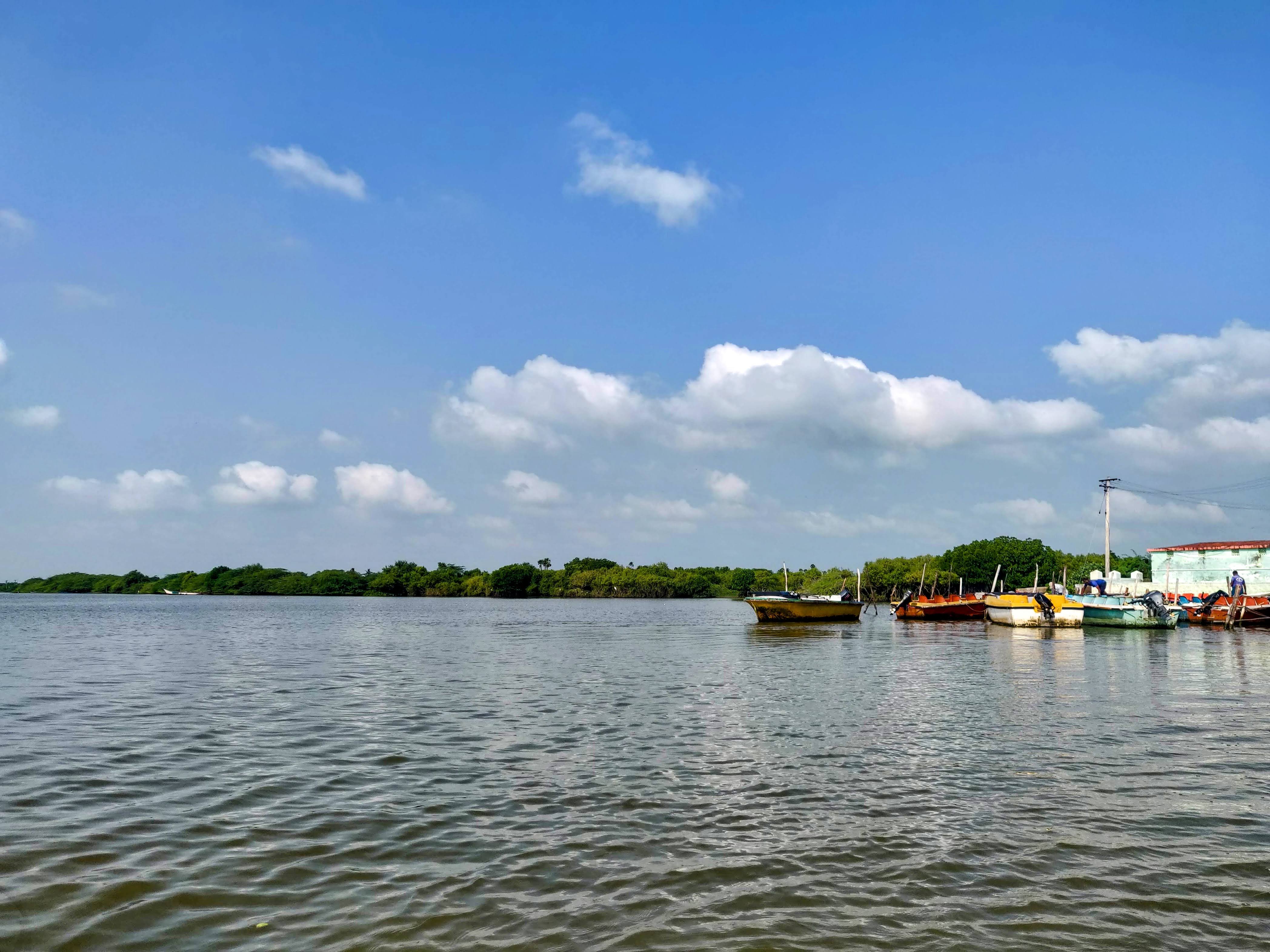
Mangroves are trees that live in salt water and tidal mud. Most trees would die here. The mud has almost no oxygen, so they grow roots above the water to breathe. Aerial roots. Stilt roots on some, little pencils on others. They also hold the coast together.
During the 2004 tsunami, villages behind thick mangroves survived much better than those without them.
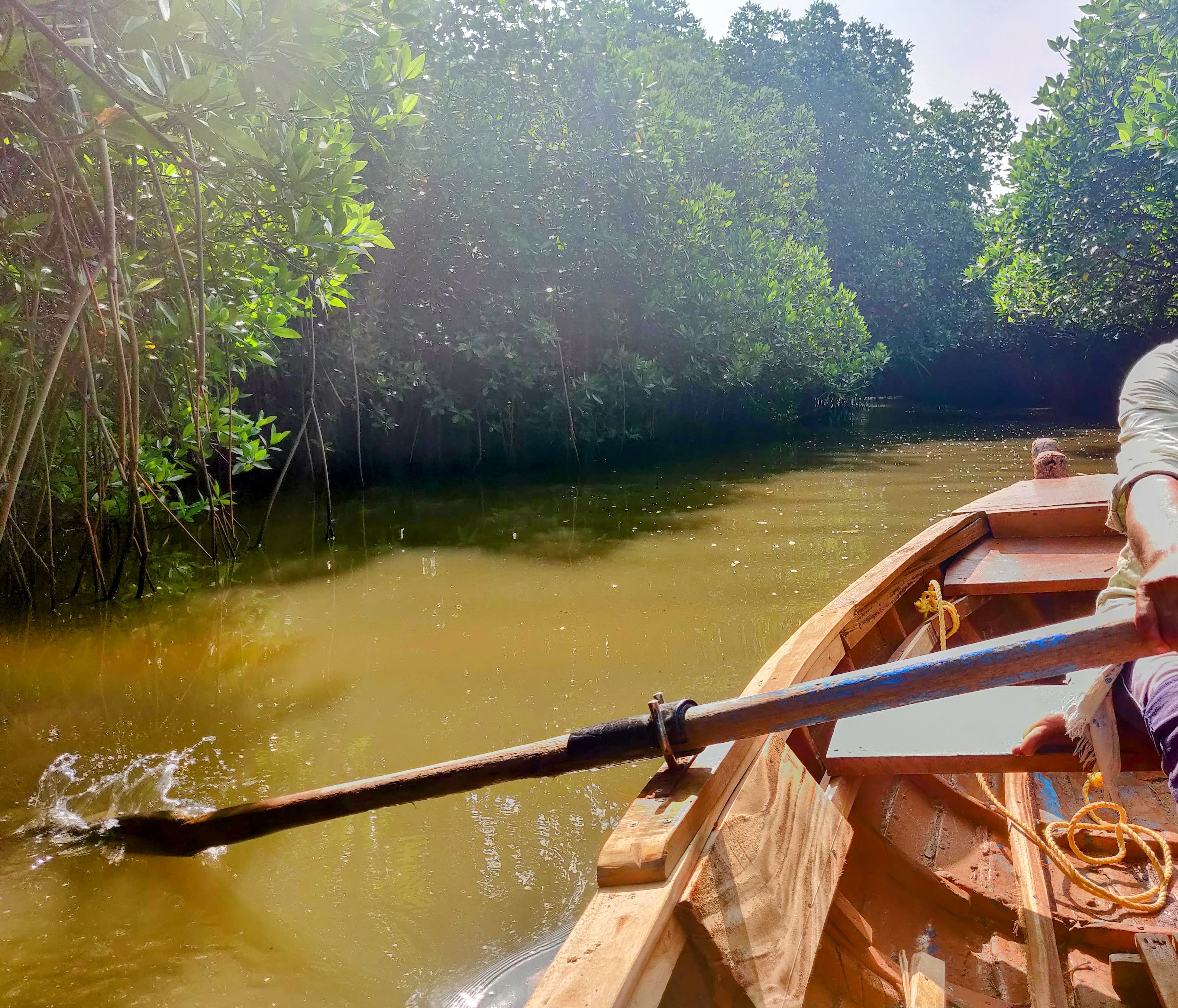
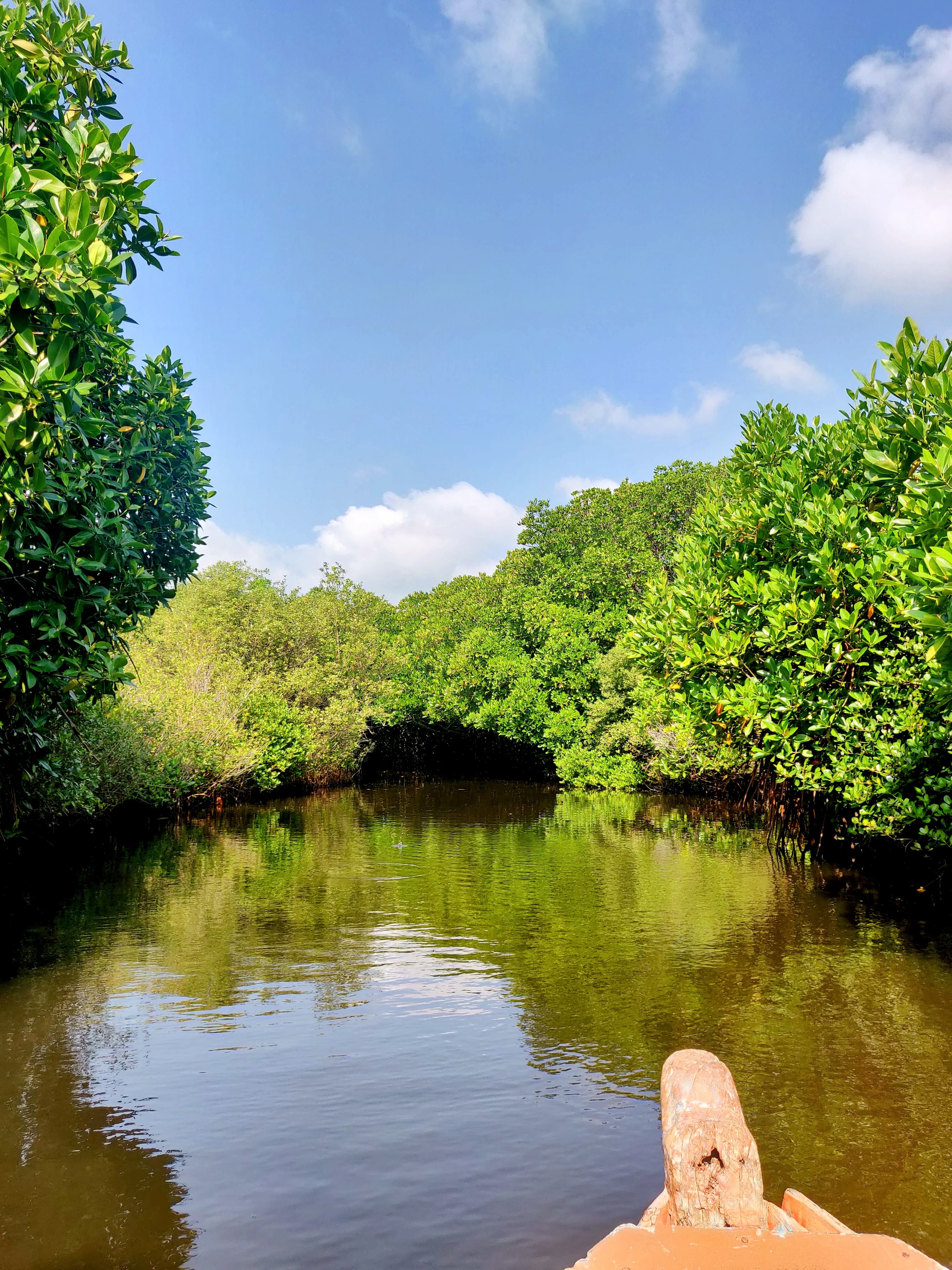
The boat slips into a narrow waterway and the trees close over you. Roots on both sides. Light coming through the leaves. Quiet, except for the water.
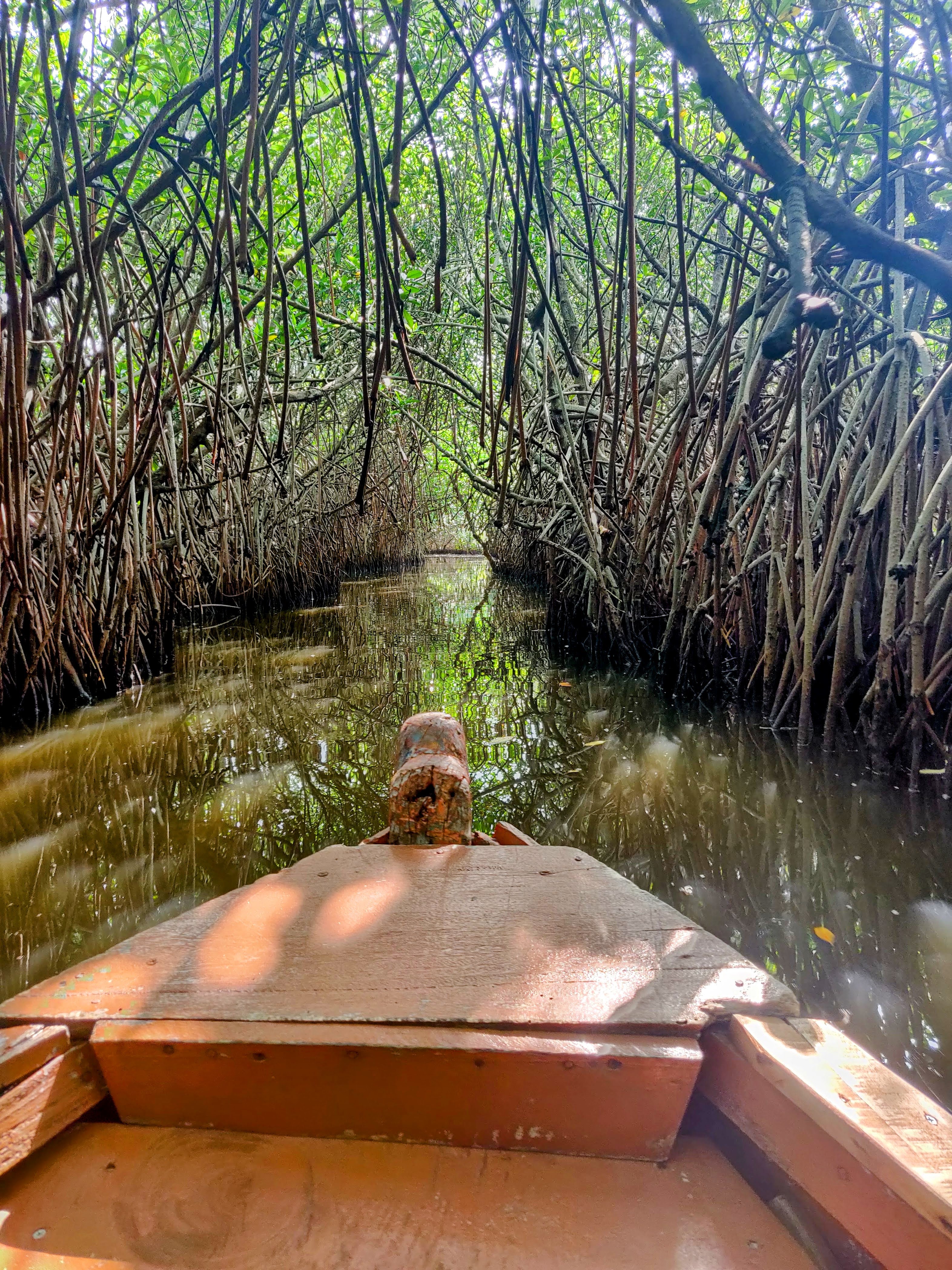
Those are stilt roots. That’s Rhizophora, the mangrove that grows right along the canals. The trees sit in salt water and mud, so they send roots out into the air to breathe. Not sure of all the biology, but that’s the idea. They make a kind of hallway over the water.
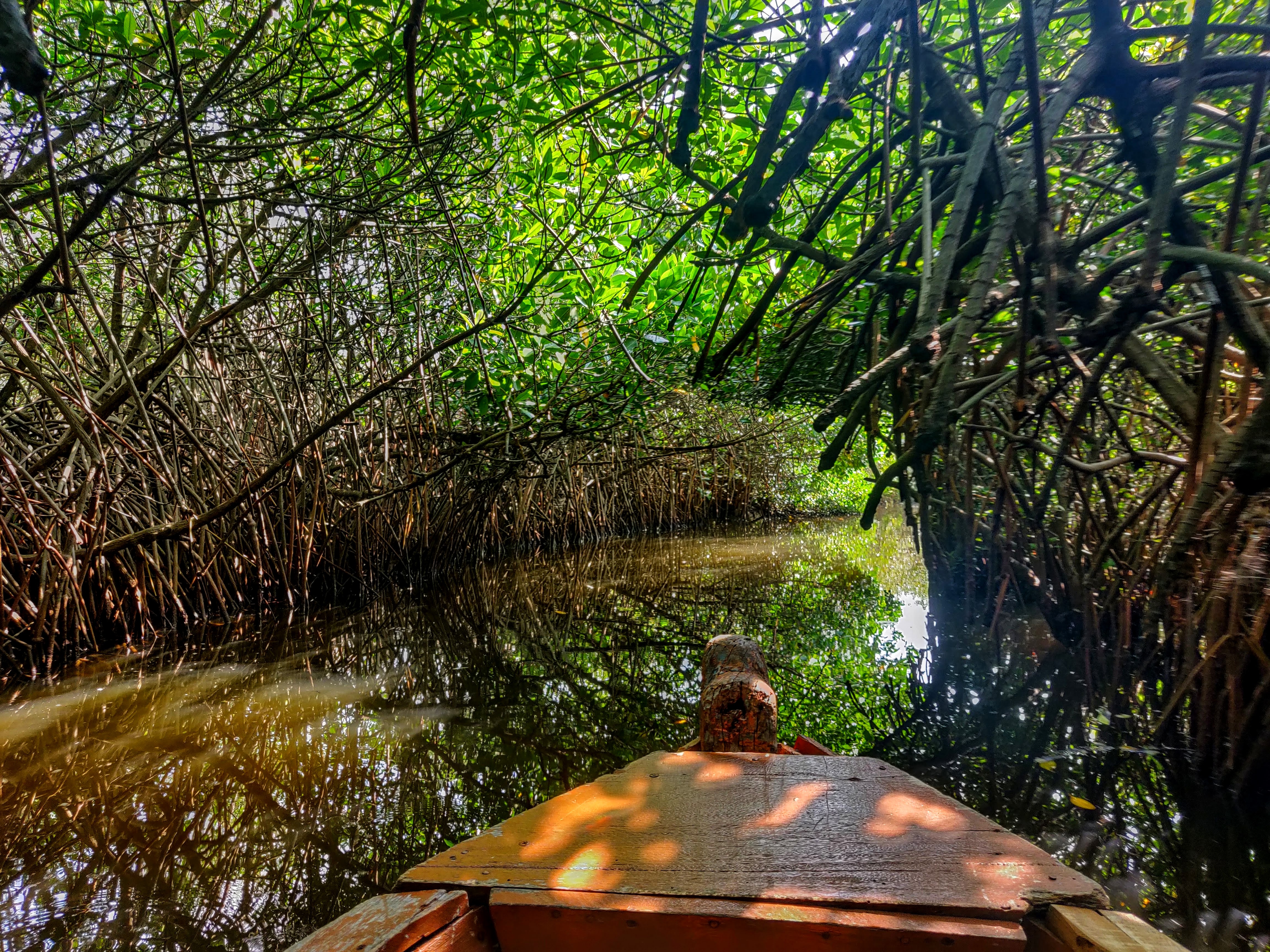
Two main kinds here, from what I’ve read. Rhizophora along the water. That’s the tunnel, the stilt roots. Avicennia more towards land. Those little pencils in the mud are how it breathes.
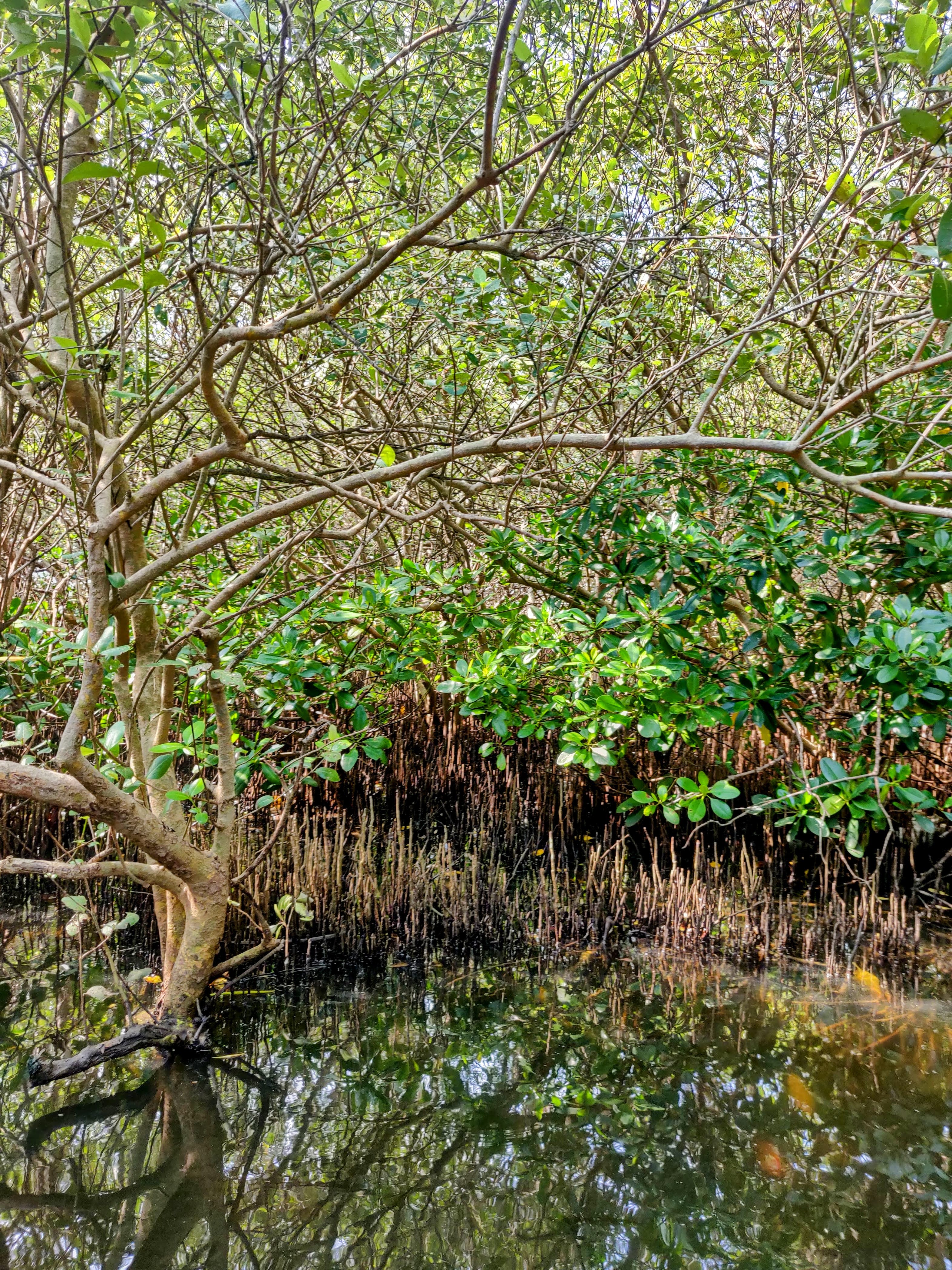
There’s also Tillai. The Chidambaram temple was in a Tillai forest.
Then the tunnel opens. Sky again. Green on both banks, water still as glass.
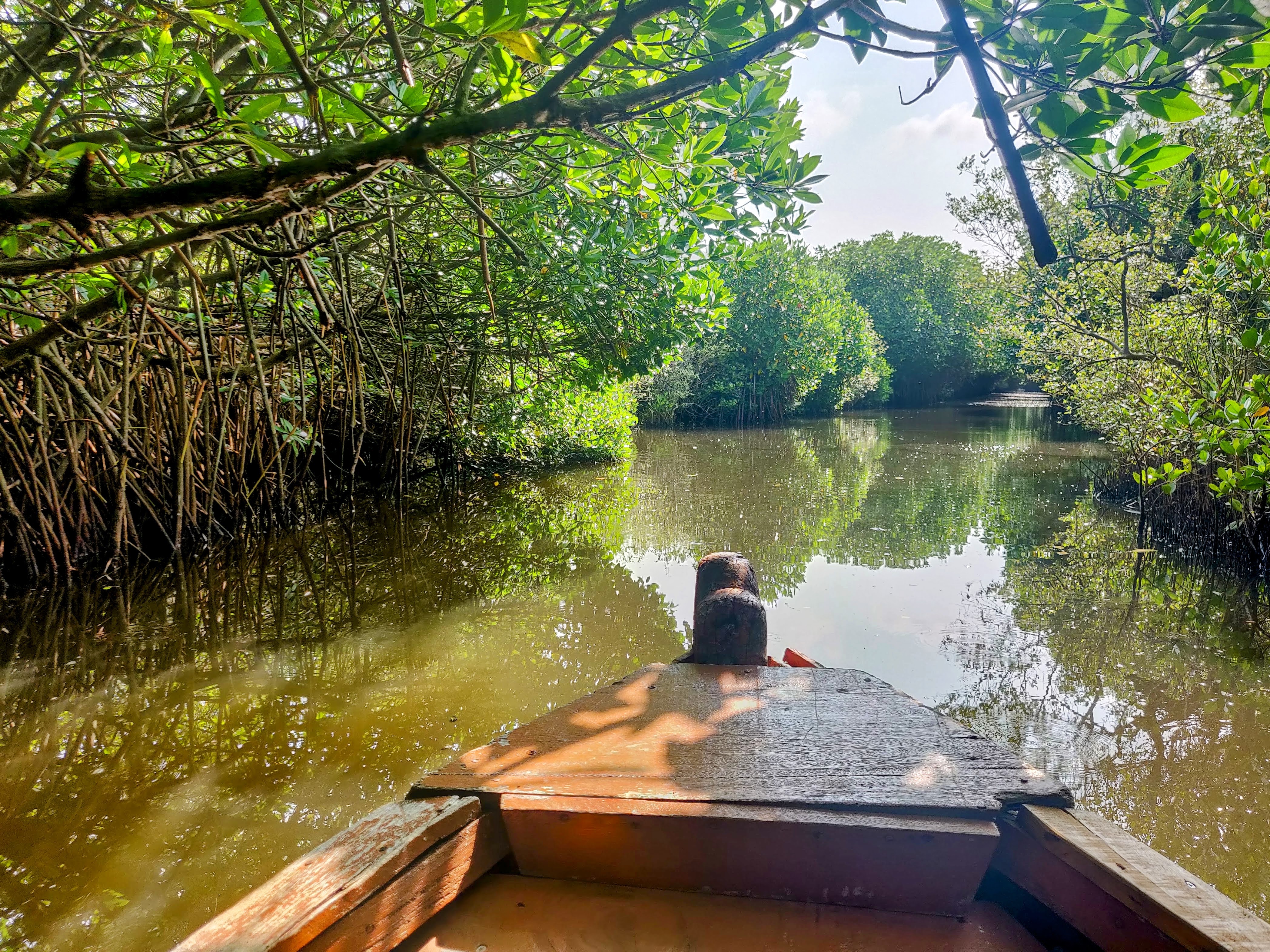
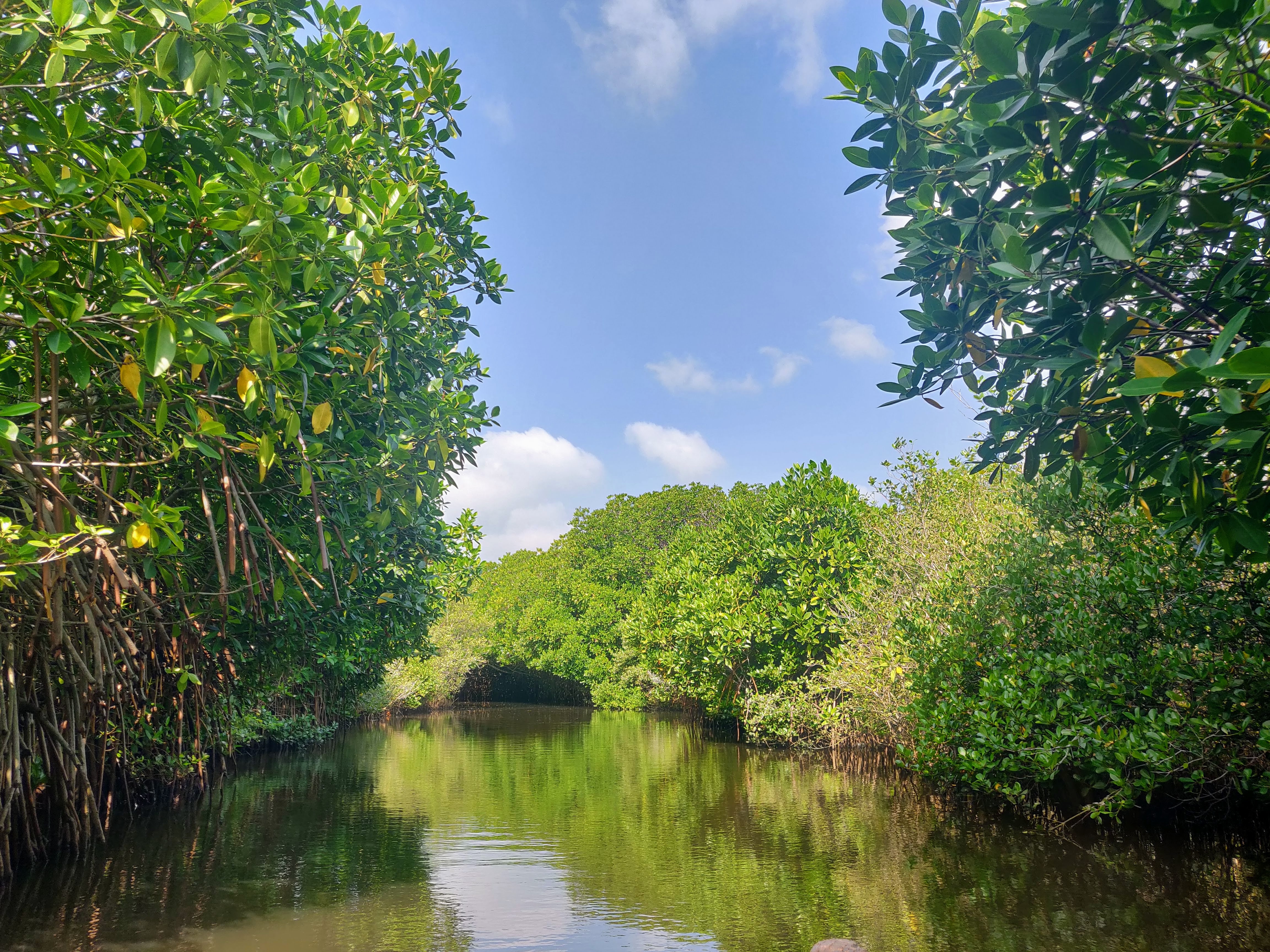
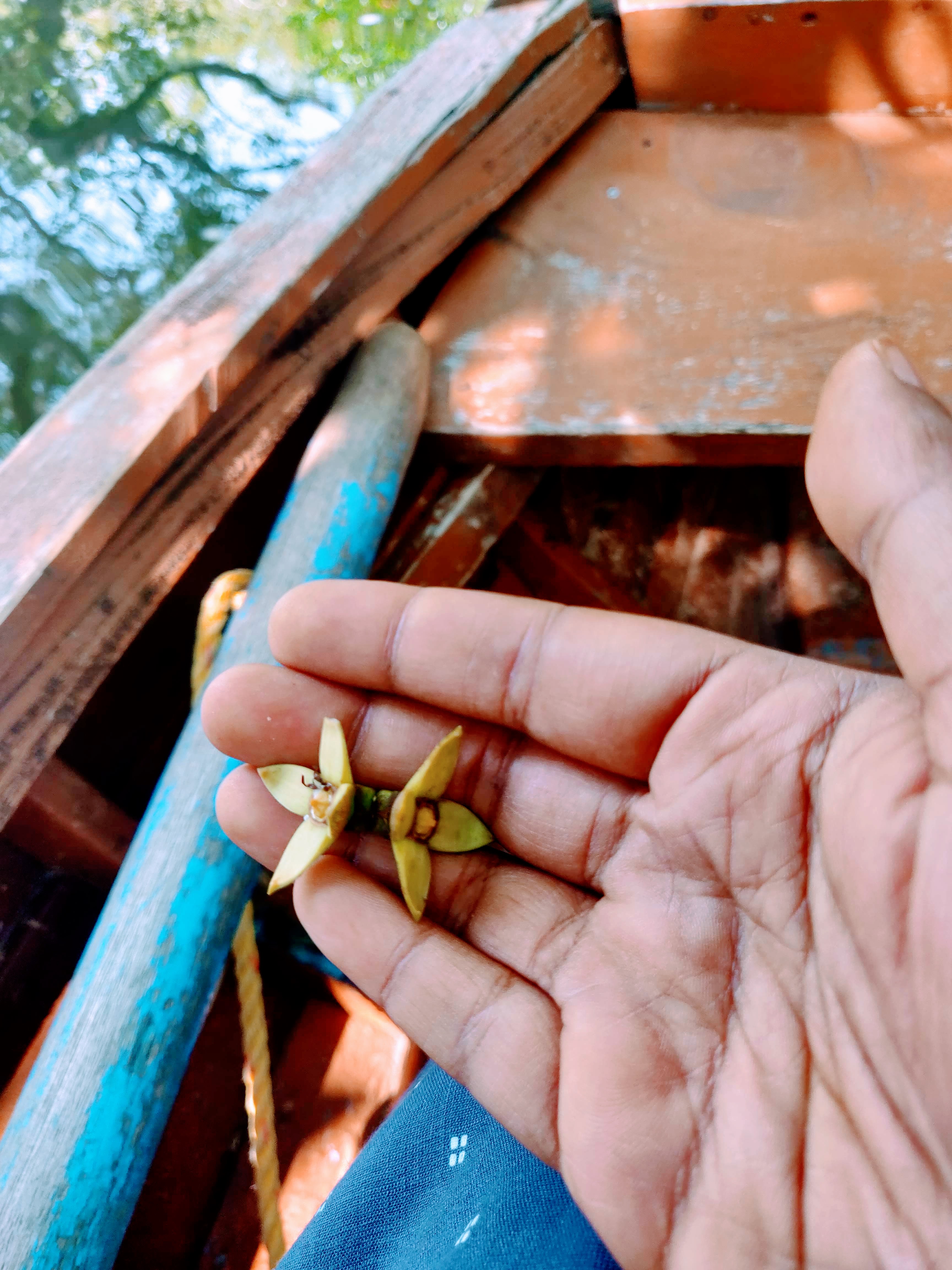
Picked up a couple of flowers from the water. Tiny. Four petals. Looks like Rhizophora.
That’s Pichavaram. Slow boat, a forest that breathes. 🌿🚣